Product Introduction
Lightweight breathable dog shoes with soft soles and rotary closures, available in six sizes from 3.0 × 2.7 cm to 5.8 × 4.6 cm for small-dog outings.


These dog shoes combine a breathable fabric upper, thin flexible construction, soft sole, and rotary adjustment system in a lightweight design for small dogs. Six listed sizes cover paw lengths from 3.0 to 5.8 cm and widths from 2.7 to 4.6 cm. The shaped front section helps cover the paw during everyday outings, while the cord-and-dial closure allows owners to refine the fit around the lower leg. Designed as anti-dirt paw covers, the shoes are relevant to city walks, travel, indoor floor use, dry parks, shopping trips, and pet-friendly events. The pastel pink, yellow, and green color combination also supports fashion-led retail collections. Final materials, packaging quantity, colors, branding, test documents, MOQ, production schedule, and delivery terms should be confirmed before bulk ordering.
Footwear for small dogs should not add unnecessary bulk around the paws. The supplied features describe this design as soft, slightly elastic, thin, and lightweight.
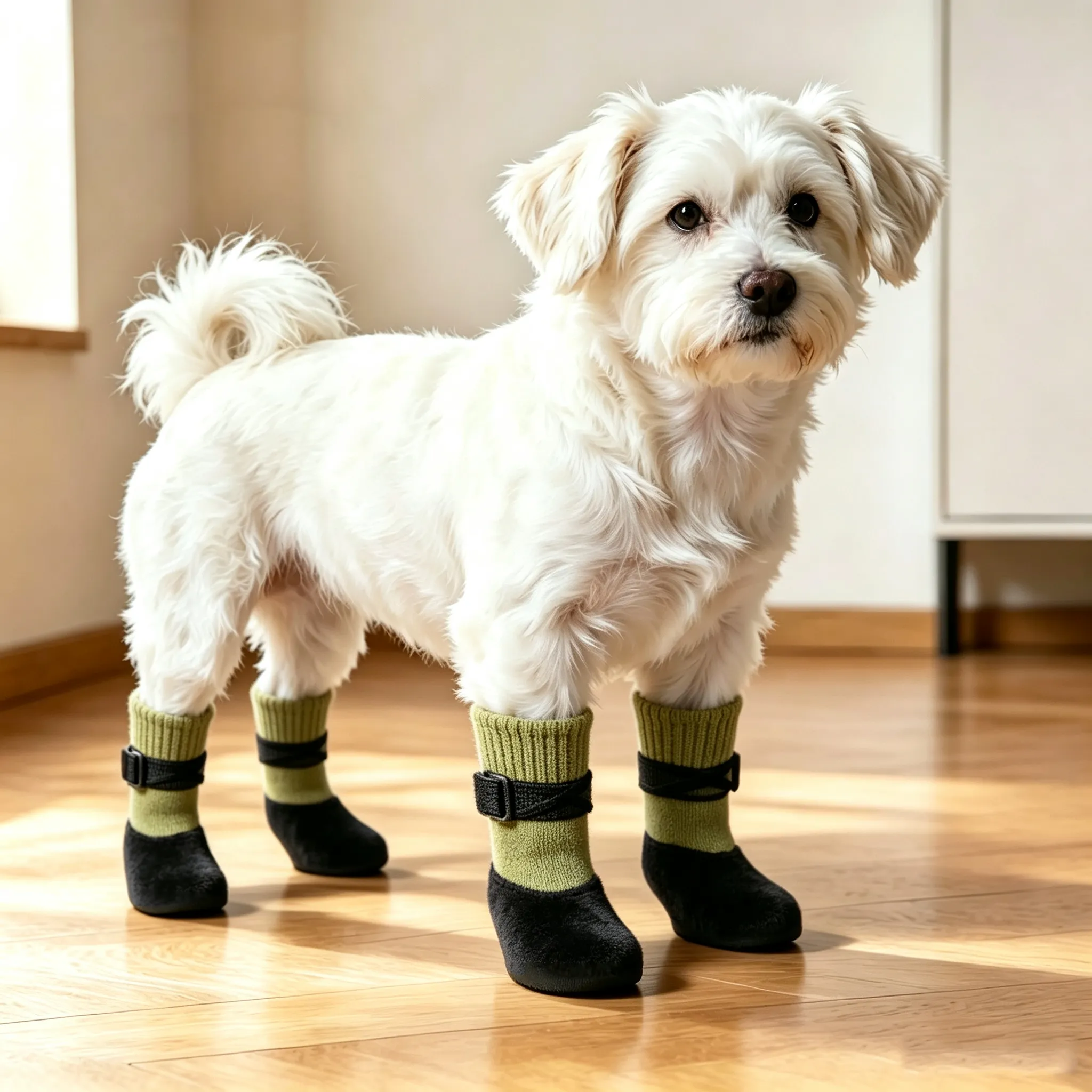
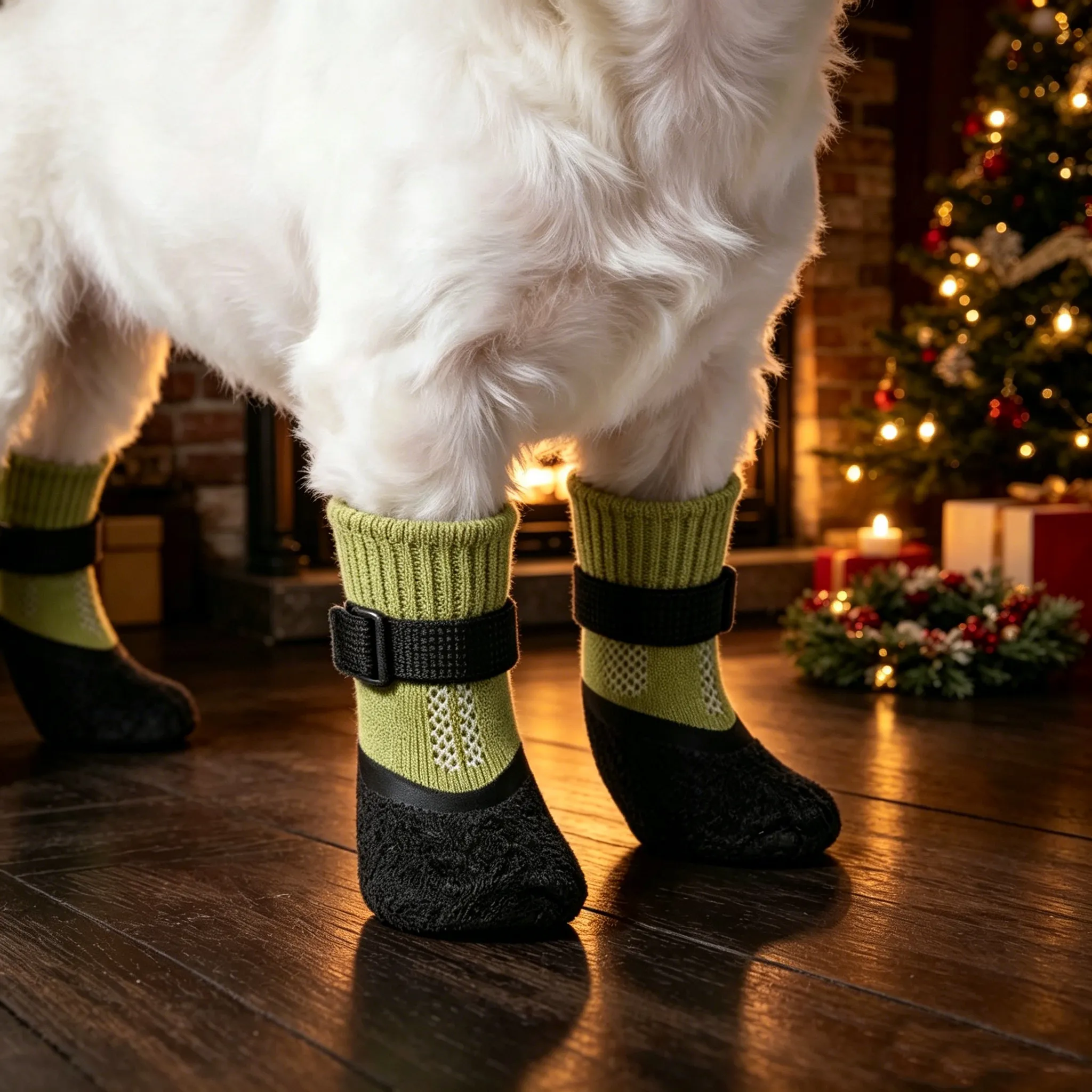
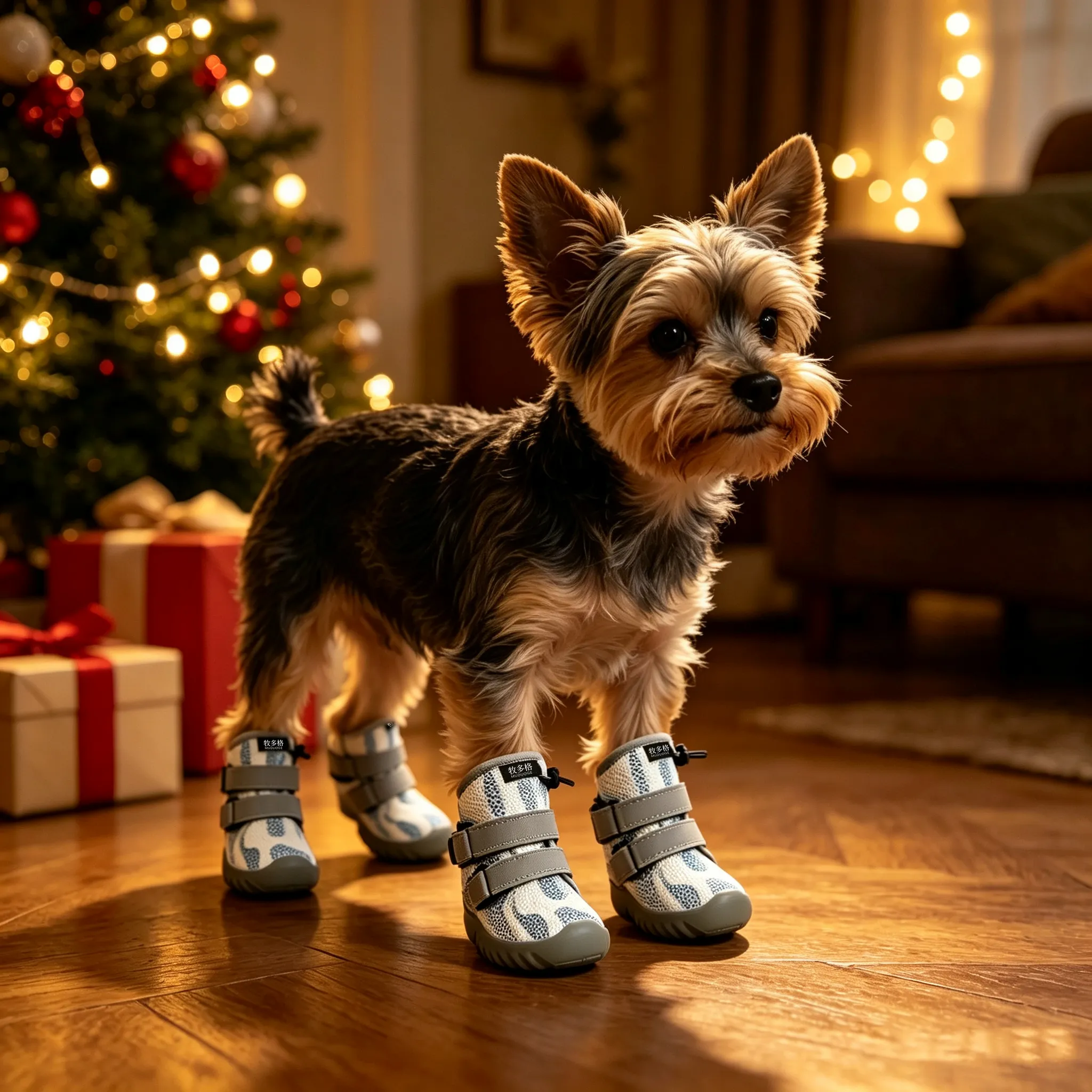
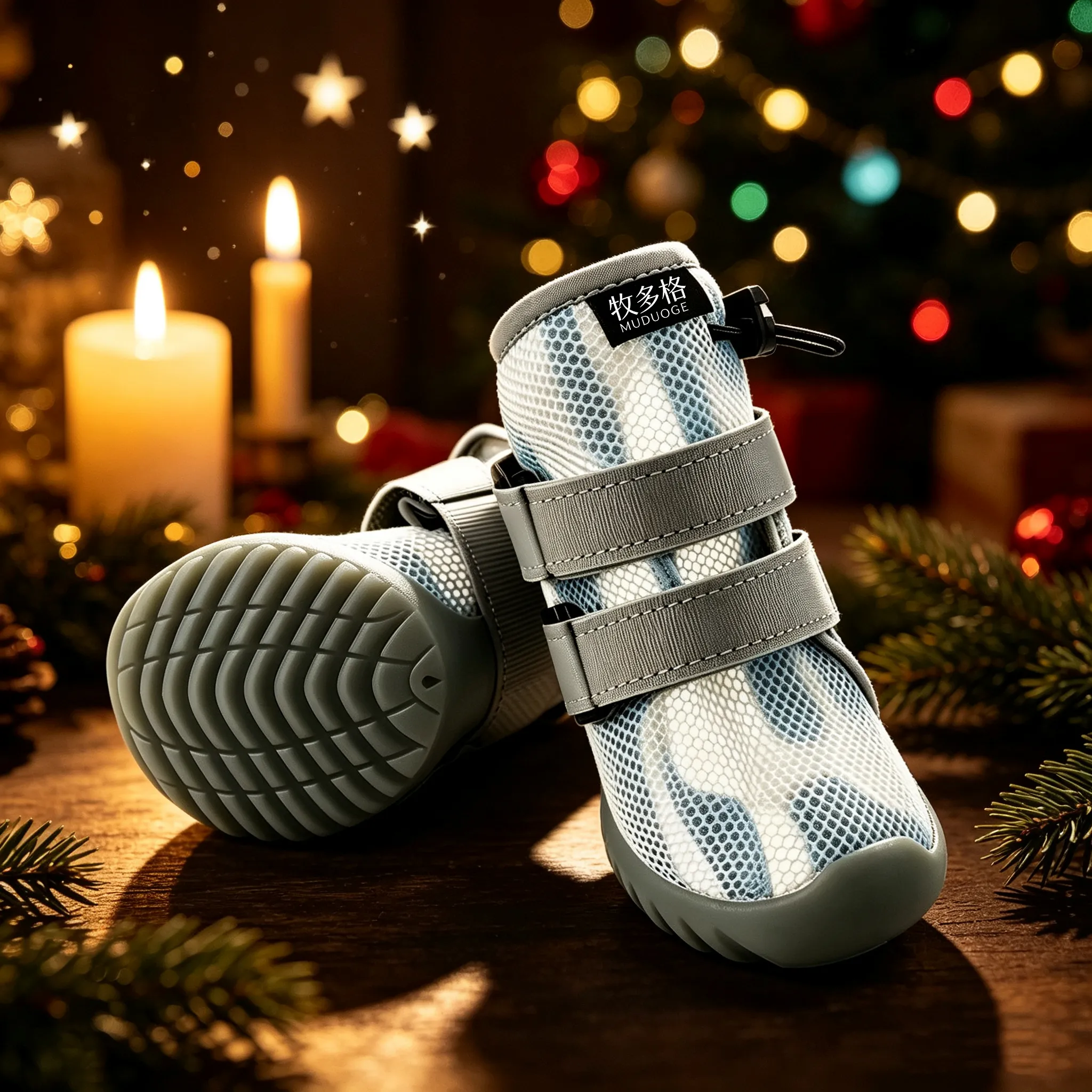
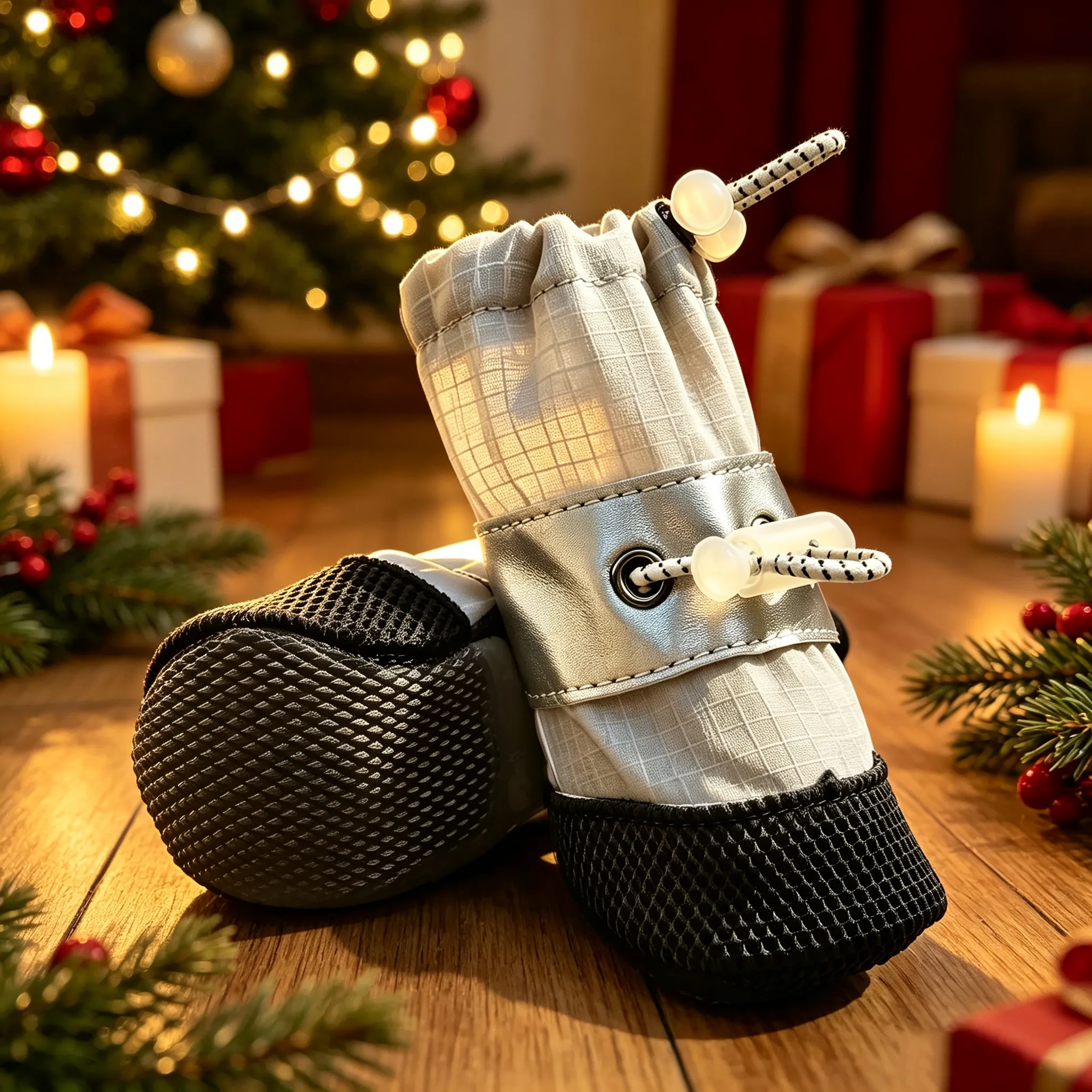
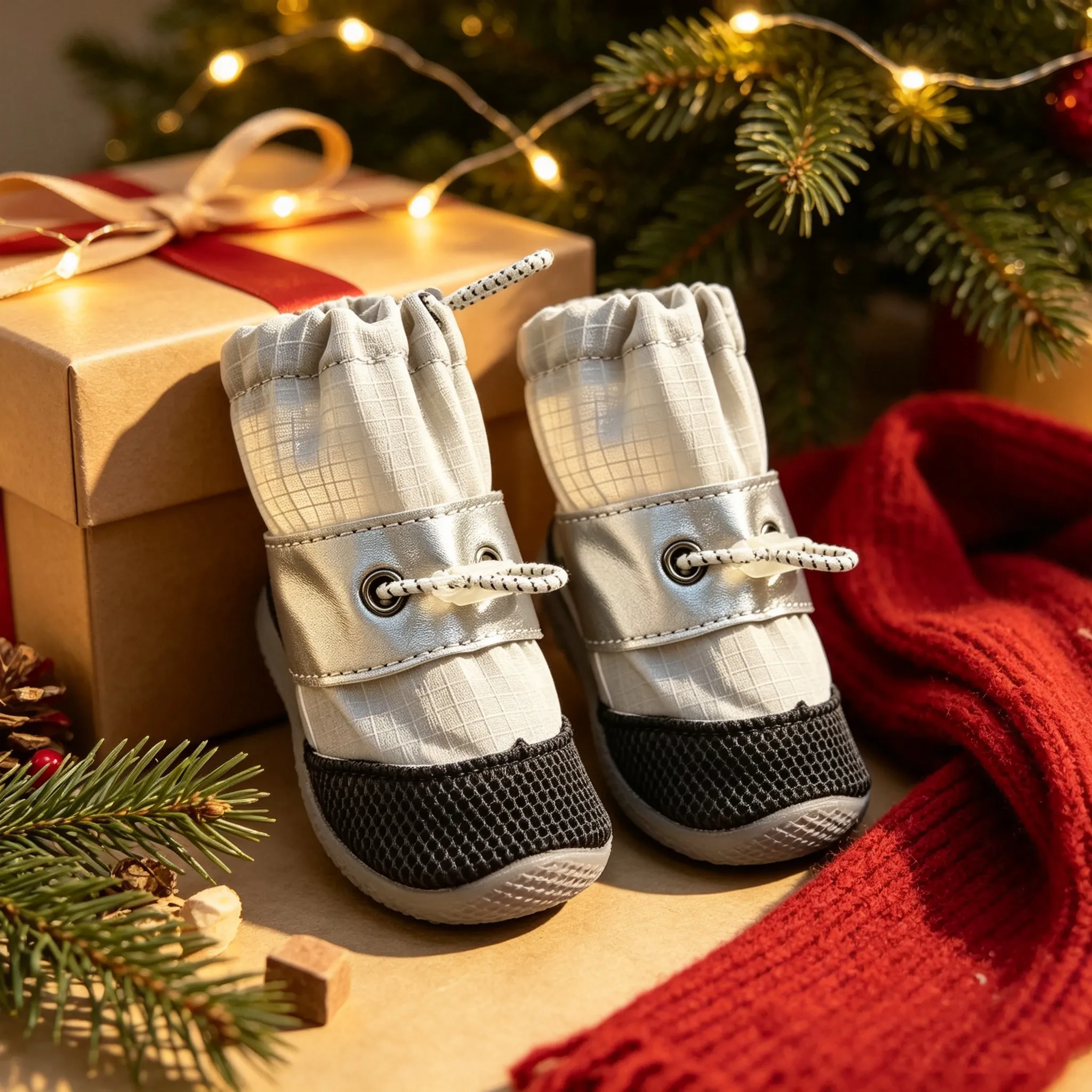
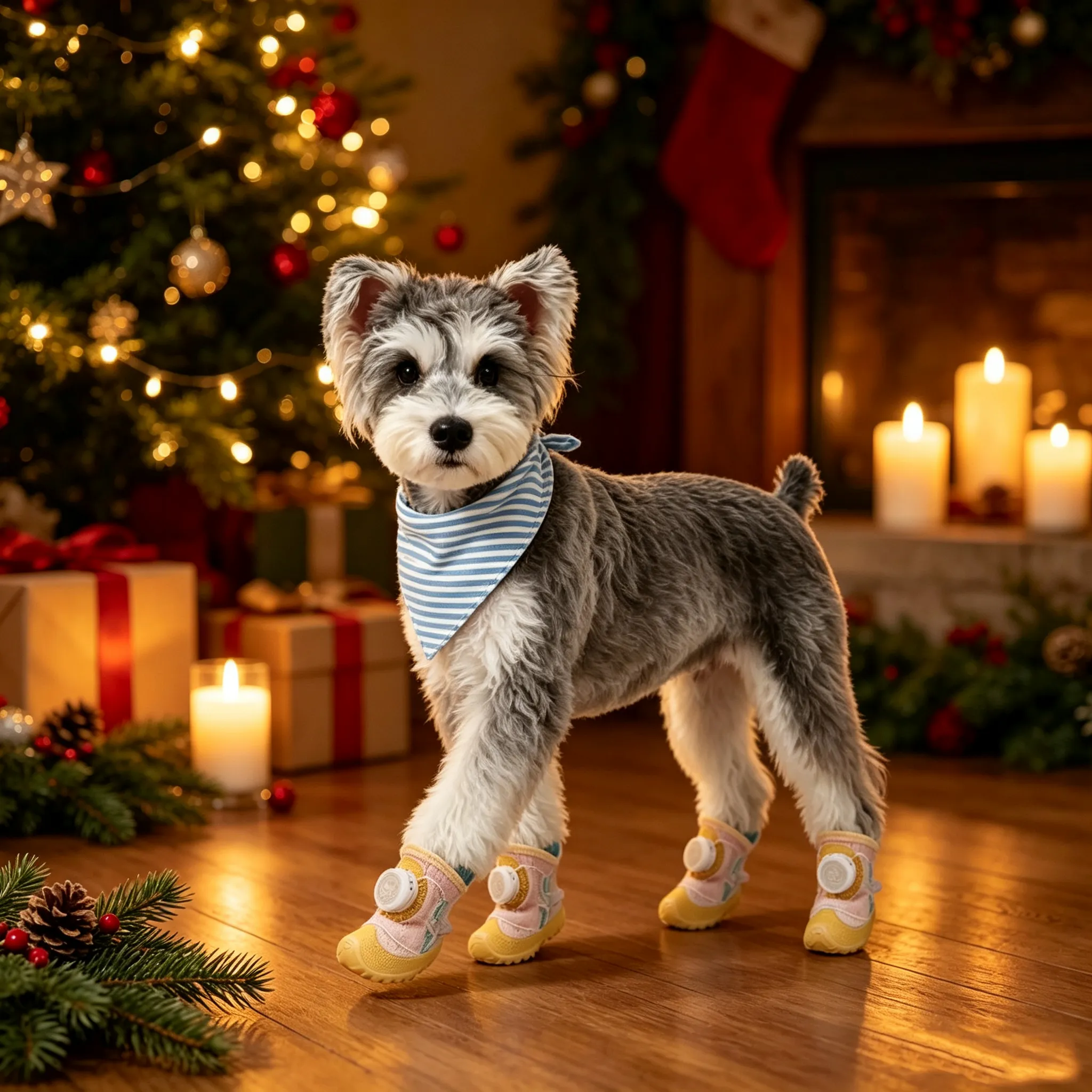
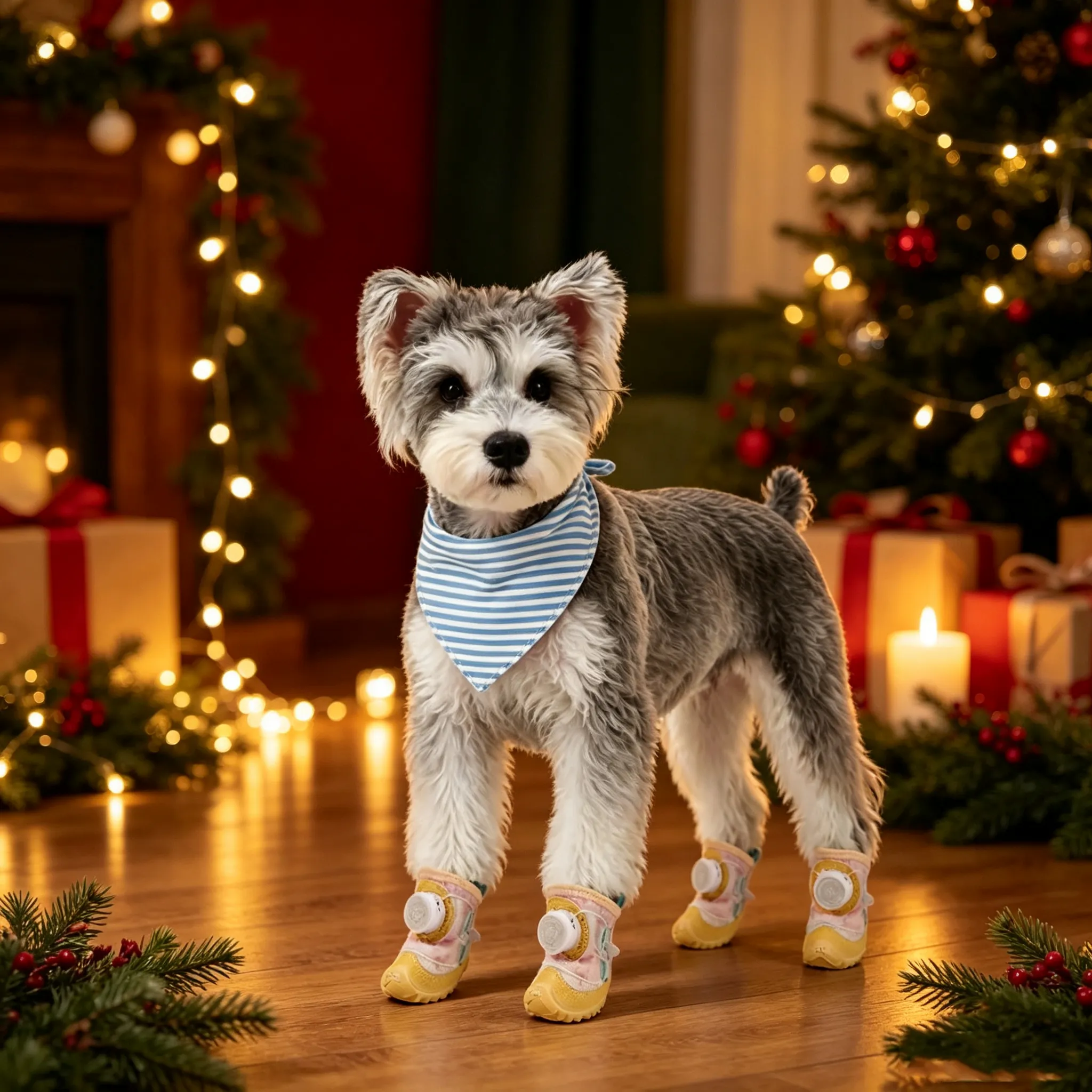
The product images show a flexible-looking fabric upper with contrasting panels, a covered toe area, yellow soft sole, and circular rotary closure. This combination creates a more structured appearance than a simple dog sock while remaining visually lighter than a rigid outdoor boot.
The shoes can help reduce direct contact between the paws and dust, dry dirt, or everyday floor surfaces. However, no puncture-resistance, heat-resistance, waterproof, medical, or heavy-terrain specification has been supplied.
For retailers, this positioning creates a distinct category between indoor dog socks and heavy outdoor boots. The product can be sold as lightweight everyday footwear for small dogs rather than as an all-weather technical boot.
No specific material composition has been provided. Therefore, the upper should not be described as polyester, nylon, cotton, or technical mesh until the final material specification is confirmed.
Measure both paw length and width before selecting a size.
| Size | Shoe Length | Shoe Width |
| 1 | 3.0 cm | 2.7 cm |
| 2 | 3.5 cm | 3.1 cm |
| 3 | 4.0 cm | 3.4 cm |
| 4 | 4.5 cm | 3.7 cm |
| 5 | 5.0 cm | 4.0 cm |
| 6 | 5.8 cm | 4.6 cm |
The supplied chart states that manual measurement may produce a variance of 1–2 cm. Such a variance would materially affect small-dog footwear sizing. Wholesale buyers should therefore confirm the intended production tolerance and measurement method before publishing the final size chart.
Product weight, shoe height, opening circumference, rotary-cord range, sole thickness, recommended dog weight, and retail-set quantity have not been supplied.
Accurate sizing is essential because an unsuitable dog shoe may rotate, rub, restrict movement, or come off during use.
Place the dog’s paw on a sheet of paper while it bears weight naturally. The paw spreads slightly under pressure, so a standing measurement is more useful than measuring a lifted paw.
Measure from the back of the main paw pad to the tip of the longest toenail. Keep the ruler aligned with the center of the paw.
Measure across the widest weight-bearing section. Do not press the toes together to obtain a smaller figure.
Front paws and rear paws may differ in size. Measure every paw, especially when one set will be used on all four feet.
If front and rear measurements fall into different sizes, ask whether mixed-size retail sets are available rather than forcing every paw into the same size.
After dressing the dog, begin with a short indoor session. The paw should sit fully inside the shoe without the toes curling. The upper should remain secure without pressing tightly around the lower leg.
Remove the shoes after the trial and inspect for rubbing, pressure marks, or discomfort.
The most distinctive feature is the circular rotary mechanism positioned on the outer side of each shoe. Cords run through the upper and connect to the adjustment area.
A rotary closure can allow small fit changes without wrapping a long strap repeatedly around the leg. However, the exact operating sequence has not been provided. Buyers should confirm whether the dial is pressed, pulled, or rotated to tighten and release.
The mechanism should not be presented under a registered closure-system name unless the supplier has authorization to use that trademark.
During sample evaluation, buyers should:
The closure should be snug enough to stabilize the shoe but not so tight that it restricts circulation or normal paw movement.
The upper is described as breathable. The visible fabric sections and relatively thin construction support a lightweight, warm-weather positioning.
Breathability can help reduce the enclosed feel associated with heavier dog boots. Nevertheless, actual airflow depends on the fabric composition, weave, lining, overlays, fit, and surrounding conditions.
A breathable shoe does not guarantee that paws will remain cool or dry in every environment. Owners should remove the footwear after activity and check for retained heat or moisture.
Buyers requiring a numerical air-permeability value should define an appropriate test method. Visual inspection alone cannot establish a measured breathability rating.
The sole appears thin and flexible rather than rigid. This can allow the paw to flex more naturally during short everyday walks.
Dogs that are unfamiliar with footwear may initially lift their legs, shorten their stride, or walk awkwardly. Owners should introduce the shoes gradually:
Persistent gait changes, rubbing, or discomfort indicate that the shoes should be removed and the fit reassessed.
No slip-resistance test or outsole material has been provided. Therefore, the product should not be described as slip-proof or suitable for every wet, oily, icy, or uneven surface.
The closed front and sole provide a physical layer between the paw and everyday ground surfaces. This may help reduce direct contact with dust and dry dirt during suitable outings.
The shoes can also help reduce the amount of debris carried indoors after a short walk. However, the product does not eliminate the need to inspect and clean the dog’s paws.
No waterproof feature has been supplied. These shoes should not share the same rainwear positioning as waterproof dog rain boots. Buyers should avoid claims involving puddles, deep water, prolonged rain, or guaranteed dry paws unless the finished product has been tested accordingly.
The thin, lightweight construction suits short routine walks on appropriate surfaces. Owners should inspect the sole after contact with rough ground.
The pastel styling and rotary closure fit lifestyle-oriented dog apparel collections. The shoes can be coordinated with harnesses, clothing, collars, and travel bags.
The covered paw design may help reduce direct contact with dust or dry dirt. The footwear should be removed if it becomes damaged or interferes with normal movement.
The soft sole may be suitable for some indoor surfaces. Because no slip-resistance rating has been supplied, owners should test the shoes in a controlled area first.
The compact design can be included in dog travel kits or gift boxes. Retail packaging should include a clear measuring guide to reduce unsuitable size selection.
The pink, yellow, and green color combination creates a distinctive visual for seasonal promotions and social content. Fit and comfort must remain more important than appearance.
These wholesale dog shoes can serve:
The six-size structure supports a measured range rather than a one-size product. Before choosing a bulk ratio, buyers should review customer demand by paw dimensions and confirm whether shoes are packed as pairs or sets of four.
Buyers may request a review of:
Customization depends on the final materials, available surface, logo method, design complexity, and order quantity.
Approve a production-representative sample before mass production. Digital artwork cannot fully demonstrate flexibility, breathability, dial operation, cord tension, fit, or color accuracy.
No material specification, certification, test report, MOQ, sample charge, production capacity, lead time, product weight, or carton data has been provided.
Importers should identify the applicable chemical, textile, labeling, traceability, packaging, and performance requirements for the destination market.
For an accurate quotation, provide:
The final purchase order should reference the approved sample, dimensions, tolerance, materials, closure system, colors, packaging, inspection criteria, and commercial terms.
Supervise dogs while they wear the shoes. Inspect the upper, sole, cords, rotary mechanism, seams, and attachment points before every use.
Remove the shoes if they rotate, rub, restrict movement, or cause persistent gait changes. Stop using any shoe that becomes torn, separated, loose, or damaged.
Do not leave the footwear on an unattended dog or allow the dog to chew the dial and cords. These are not medical or orthopedic shoes.
Cleaning and drying instructions should be confirmed for the final materials. The shoes should be dry before storage.