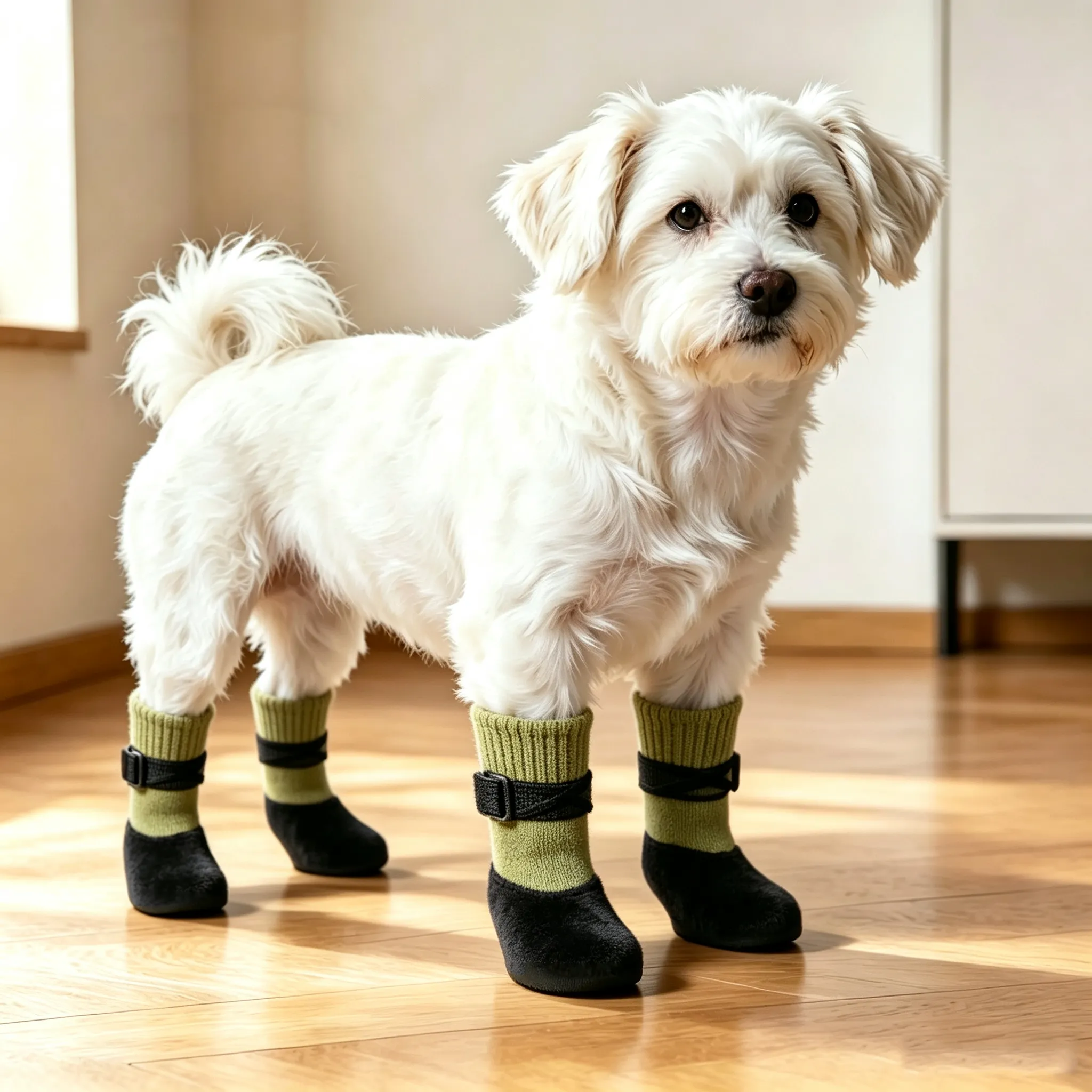
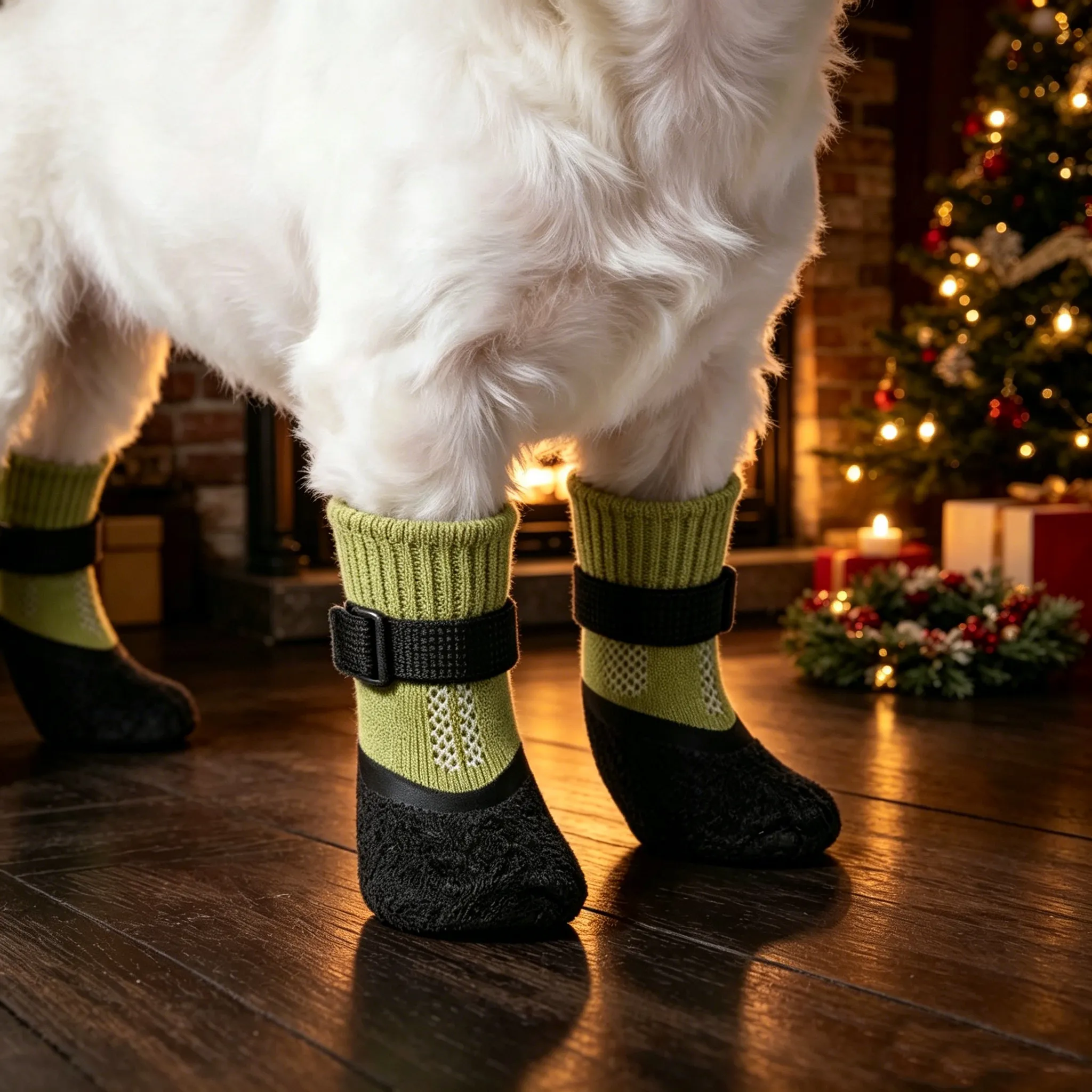
Product Introduction
Soft-soled waterproof dog rain boots with textured non-slip soles and double adjustable straps, available in five sizes for paws measuring 3.0–6.4 cm long.
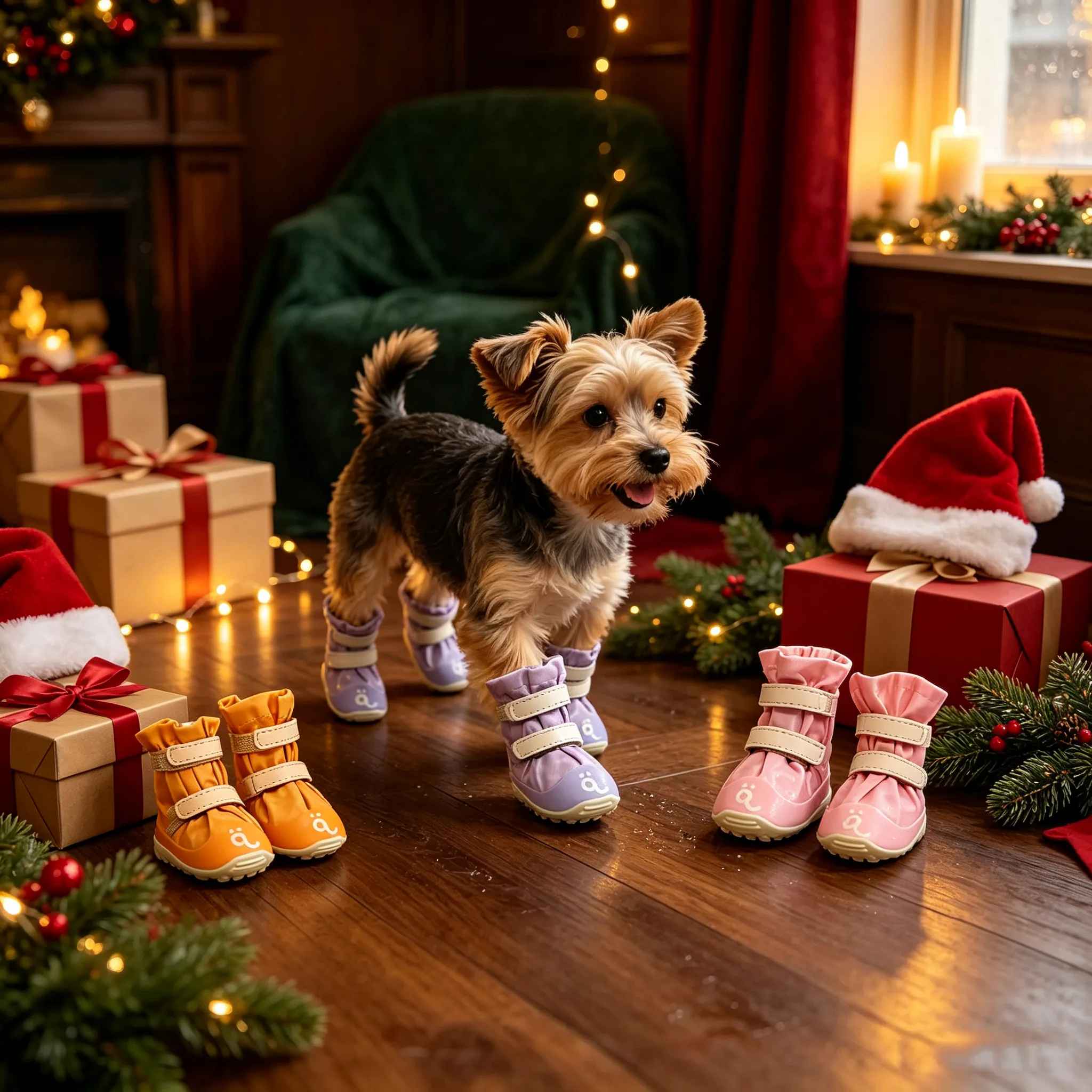


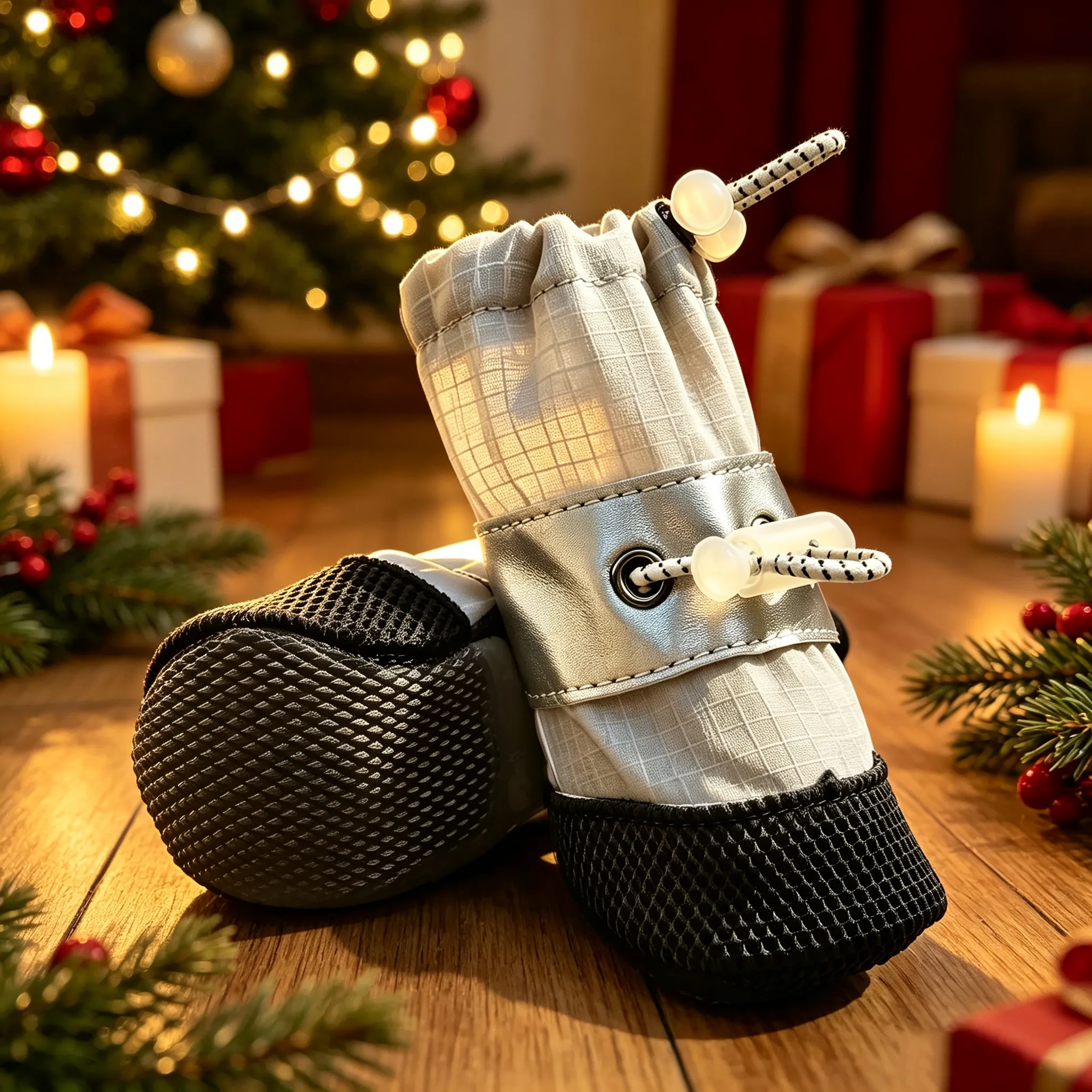
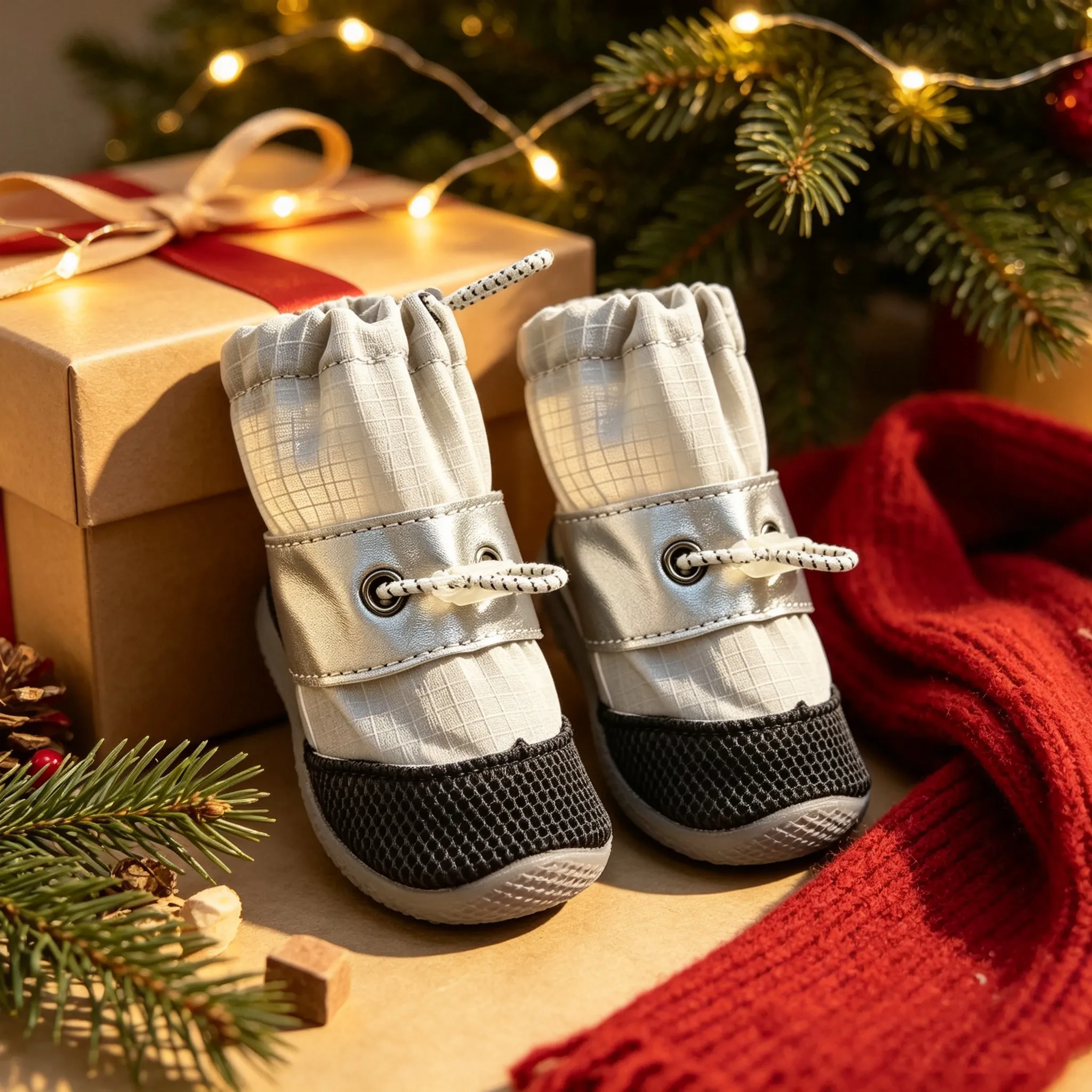
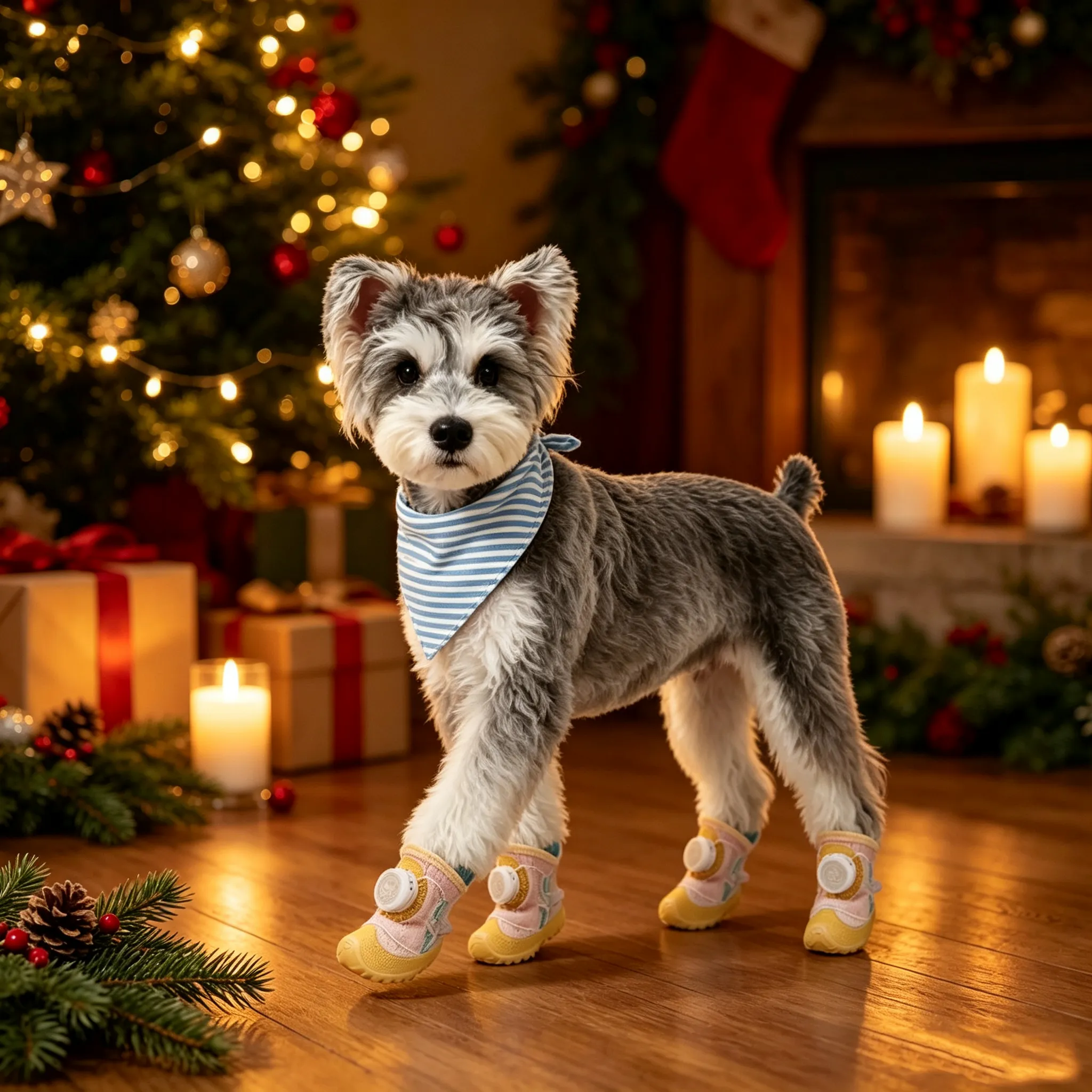
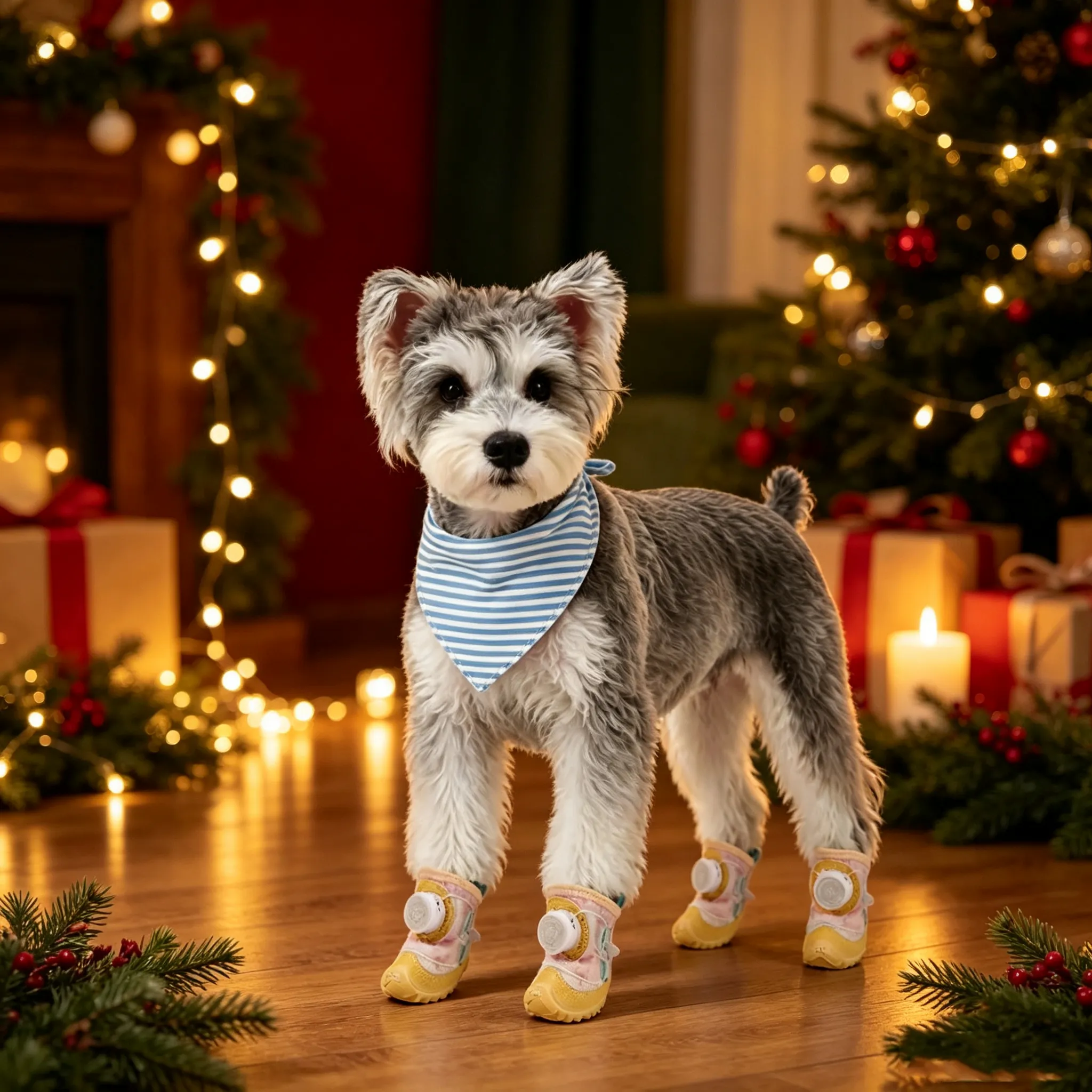
The waterproof dog rain boots combine a flexible upper, soft non-slip sole, shaped paw compartment, and two adjustable fastening straps for wet-weather outings. Designed to help reduce direct contact with rainwater, mud, wet grass, and dirty outdoor surfaces, the boots can help owners keep paws and indoor floors cleaner after a walk. Five sizes cover paw lengths from 3.0 to 6.4 cm and paw widths from 2.4 to 5.0 cm, with suggested dog weights ranging from below 2 kg to 16 kg. The product images show orange, purple, and pink options suitable for pet retailers, online stores, dog apparel brands, gift programs, and private-label collections. Final materials, colors, branding, packaging, testing documents, order quantities, and delivery terms should be confirmed before bulk production.
A useful dog rain boot needs to balance paw coverage with flexibility. An overly rigid shoe may interfere with a dog’s natural stride, while an unsuitable fit can rotate, slip off, or create pressure around the paw.
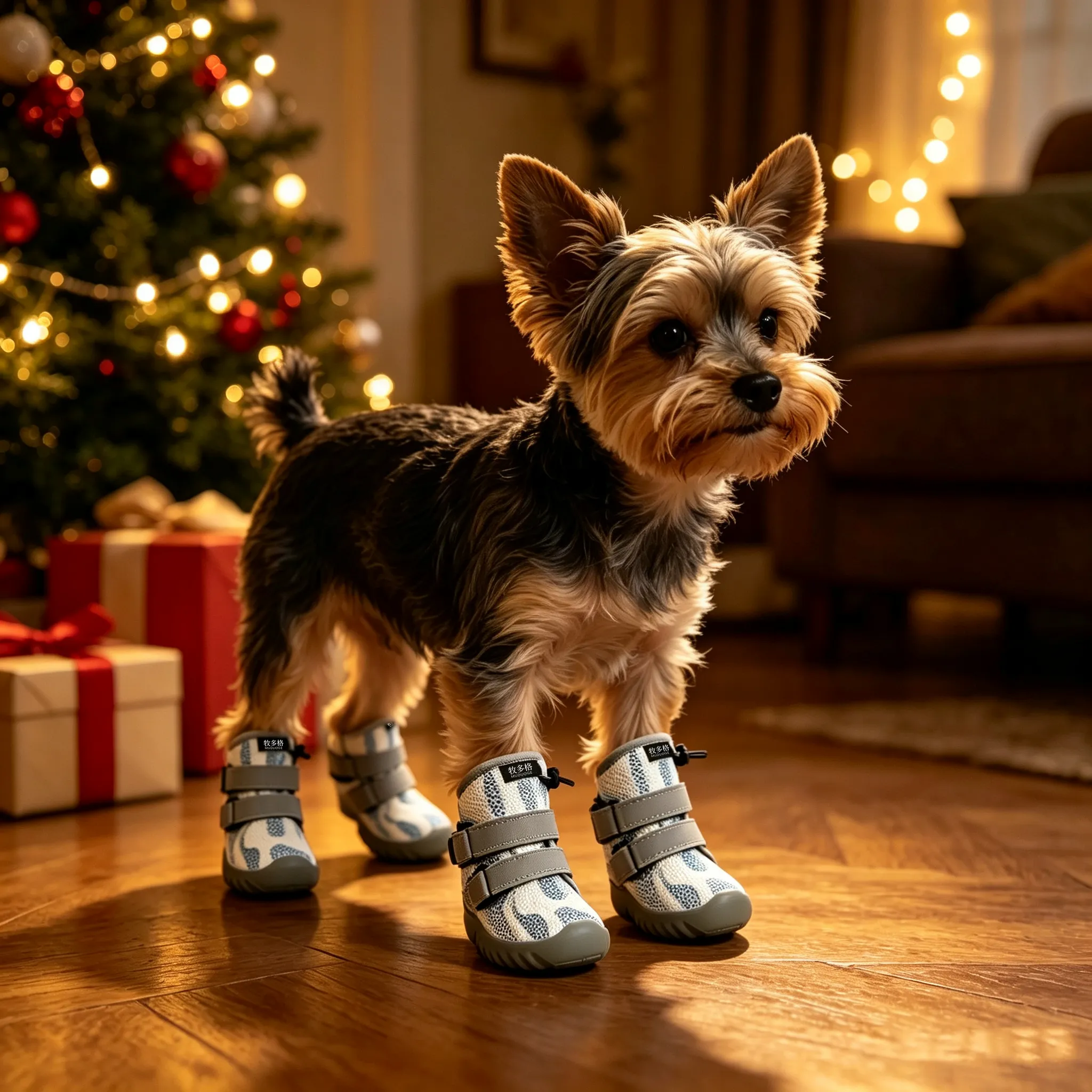
This design uses a soft upper and flexible-looking sole rather than a bulky hiking-boot structure. The gathered cuff opens to receive the paw, while two fastening straps wrap around the lower leg to refine the fit.
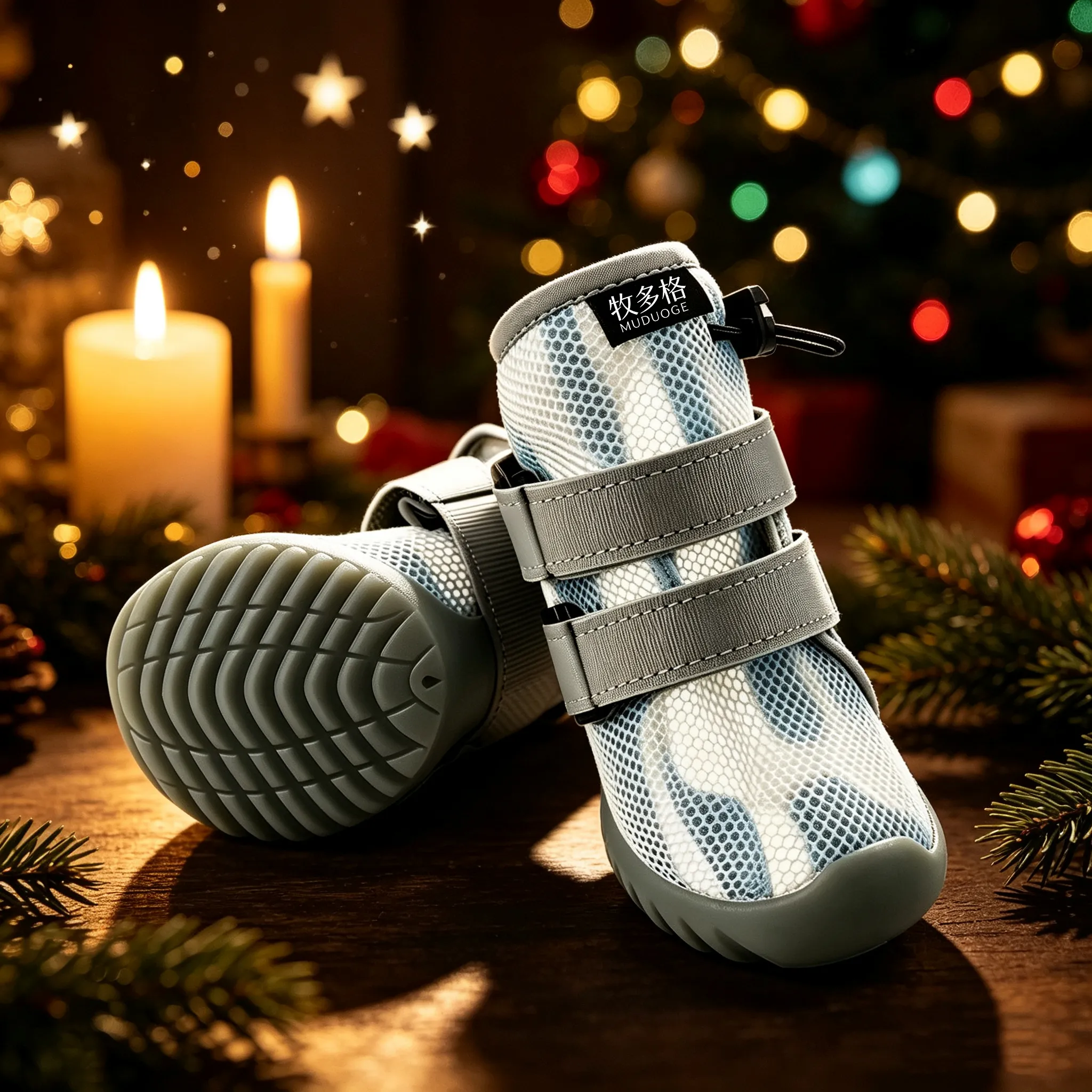
The front section follows a rounded paw shape. A patterned outsole provides the supplied non-slip feature and creates more surface texture than a completely smooth sole.
These design elements make the boots relevant to daily walks, summer rain, damp parks, wet sidewalks, travel, and short outdoor activities. They are not described as orthopedic, medical, puncture-proof, or suitable for extreme terrain.
Waterproof and non-slip performance depends on fit, product condition, walking surface, water depth, wear, and the final production configuration. No fixed waterproof rating or slip-resistance value has been supplied.
Use paw length and paw width as the primary sizing criteria. Suggested body weight is only a secondary reference.
| Size | Suitable Paw Length | Suitable Paw Width | Suggested Dog Weight |
| 1 | 3.0–3.7 cm | 2.4–3.0 cm | Below 2 kg |
| 2 | 3.8–4.4 cm | 3.1–3.5 cm | 2–5 kg |
| 3 | 4.5–5.1 cm | 3.6–4.0 cm | 5–8 kg |
| 4 | 5.2–5.8 cm | 4.1–4.5 cm | 8–12 kg |
| 5 | 5.9–6.4 cm | 4.6–5.0 cm | 12–16 kg |
Dogs of the same weight can have different paw dimensions. Measure each dog before choosing a size rather than relying on body weight or breed alone.
Correct measurement is especially important for dog shoes. Boots that are too small may press against the toes, while oversized boots may rotate or come off during movement.
Place the dog’s paw on a sheet of paper while the dog is bearing weight normally. A standing measurement accounts for the natural spreading of the paw.
Measure from the back of the main paw pad to the tip of the longest toenail. Keep the tape or ruler straight.
Measure the widest part of the weight-bearing paw. Do not squeeze the toes together to obtain a smaller measurement.
Front and rear paws may not have identical dimensions. Measure all four paws and use the largest relevant measurement when one set of boots will be worn on every foot.
If front and rear paws differ substantially, buyers or retailers should confirm whether mixed-size sets can be supplied.
The paw should sit fully inside the boot without the toes curling. Tighten the straps enough to stabilize the shoe, but not so tightly that they restrict circulation or normal movement.
After a short indoor trial, remove the boots and check the paws and lower legs for pressure marks, rubbing, or discomfort.
The supplied product description identifies the boots as waterproof. This makes them suitable for positioning around rainy walks, wet lawns, muddy paths, and damp outdoor surfaces.
Waterproof performance in the finished shoe can depend on more than the main fabric. Seams, cuffs, strap openings, sole joins, and water depth can all affect how much moisture reaches the paw.
The gathered cuff is open at the top, so the boots should not be described as suitable for immersion or deep water. Water may enter through the opening during heavy rain, puddle play, or prolonged exposure.
If buyers require a defined waterproof level, the purchase specification should establish:
The boots are intended to help keep paws dry and cleaner during suitable use. They should not carry absolute guarantees such as “100% dry in all conditions” without supporting test results.
The images show a relatively soft, flexible sole rather than a rigid platform. This construction is intended to allow easier paw movement during ordinary walking.
Dogs that have never worn footwear may initially lift their paws, shorten their stride, or walk awkwardly. This is a common response to an unfamiliar item and does not necessarily indicate that the footwear is defective.
Owners should introduce the boots gradually:
If the dog continues to show discomfort, the owner should remove the boots and recheck the size and strap tension.
The outsole has a visible tread pattern intended to provide additional grip compared with a smooth surface. This feature can be useful on damp sidewalks, indoor floors, and other everyday surfaces.
However, no footwear can prevent every slip. Traction changes with water, mud, oil, ice, surface angle, outsole wear, and the dog’s movement.
The boots should not be described as slip-proof. Buyers requiring a defined level of slip resistance should specify the test surface, wet or dry conditions, method, and acceptance criteria.
Owners should inspect the sole after each outing. A worn, damaged, or contaminated tread may provide less grip than a clean product in good condition.
Each pictured boot includes two horizontal fastening straps. The upper and lower straps allow the fit to be adjusted at two points rather than relying only on the elasticized cuff.
This structure is intended to help the boot remain in position during normal movement. Nevertheless, retention depends on selecting the correct size, placing the paw fully inside the boot, and adjusting the straps correctly.
Straps should not be overtightened. Owners should be able to confirm that the dog’s lower leg is not compressed and that normal circulation and movement are maintained.
Terms such as “never falls off” or “escape-proof” should be avoided unless the finished product has been tested under defined conditions.
The lightweight construction and waterproof feature suit warm-weather showers when owners want to reduce contact with wet pavement and muddy ground.
Dogs can overheat in warm conditions even when wearing small accessories. Owners should keep walks appropriate to the weather and check the paws after use.
The boots can help reduce the amount of dirt and moisture carried directly on the paws. This may shorten post-walk cleaning, although the shoes themselves will still require cleaning.
Soft-soled dog shoes can provide a barrier between paws and dirty or wet pedestrian surfaces. They are not claimed to protect against every sharp object or hazardous substance.
The compact design can fit into dog travel bags and outdoor accessory kits. Retailers can pair the boots with raincoats, portable bowls, towels, or walking equipment.
Subject to an appropriate fit, the textured sole may be useful on certain smooth indoor surfaces. Owners should test the boots in a controlled area before extended use.
Orange, purple, and pink options provide clear color choices for seasonal gift sets, subscription boxes, and dog apparel collections.
These wholesale dog rain boots can serve:
The five-size range supports a structured assortment for small and medium-sized dogs within the supplied paw dimensions. Before deciding on an order ratio, buyers should review customer demand by actual paw size rather than dividing quantities equally.
Clear product measurements, fitting instructions, and close-up outsole images can reduce uncertainty for online customers.
Customization feasibility depends on the final materials, product construction, available branding area, color requirement, and order quantity.
Buyers may request a review of:
Submit vector artwork, color references, size ratios, packaging requirements, and destination-market information with the quotation request.
A production-representative sample should be approved before mass production. Digital images cannot fully demonstrate flexibility, fit, waterproof performance, traction, color, or strap retention.
The sample, specification, artwork, packaging file, inspection criteria, and purchase order should all refer to the same configuration.
No material composition, certification, test report, MOQ, sample charge, capacity, lead time, carton size, or shipping weight has been provided.
Importers should identify the chemical, material, labeling, traceability, packaging, and performance requirements that apply in the destination market. Supporting documents should match the exact upper, sole, straps, colors, components, and finished product.
For an accurate quotation, provide: